
Do you have any preconceptions or assumptions about Islam, Muslims, and sexual health?
You’re not alone if you do, and even those within this community have inaccurate information regarding their sexual health. Research has shown this is due to a lack of faith sensitive services as well as a culture of marginalization or misunderstanding surrounding Islam and its teachings.
However, how can Muslims take care of their sexual and relational health with integrity to their religious values? How can clinicians provide this culturally-sensitive care? What is missing?
This is what Sameera Qureshi’s work is all about. As the founder of Sexual Health for Muslims, she has made it her mission to help Muslims reinstate the soul into how they learn, understand, and take care of their sexual health. Whether you are a teenager, young adult, parent, single, married, or older, she argues we all have a responsibility to soulfully look after our bodies and selves. This includes our sexual well-being.
I have worked with Sameera on her debut book, Soulful Sexual Health for Muslims, from proposal to publication to make it the resource Muslims have been asking for. I am so excited that it is due to be published this August and is available for pre-order now.
I spoke with Sameera about the book and why it is crucial reading for Muslims everywhere.
Tell me a bit about yourself. What led you to this soulful work?
Early in my career, I was part of a school-based mental health team that served Islamic schools and schools with predominantly Muslim student populations. While developing and facilitating mental health education—and carrying a caseload of students—I began noticing a pattern: so many of the challenges students were facing were rooted in the absence of comprehensive, values-aligned sexual health education.
The schools I worked with were often hesitant to teach the standard sexual health curriculum, feeling that it didn’t resonate with Islamic teachings or community expectations. There was also a deep fear about the potential consequences of opening up these conversations. That tension created a painful silence around topics students were clearly navigating on their own.
This experience pushed me to explore alternative ways to meet their needs. I was fortunate to be mentored in developing and facilitating Islamic sexual health education that honored both scientific integrity and religious values.
Then, about five years ago—right before the COVID-19 pandemic—my own spiritual journey made something very clear: centering Islamic frameworks of the soul was missing. That realization was a turning point. I deepened my own studies in the Islamic tradition, and a formal path of Islamic Psychology, which transformed not only my personal journey but also my professional one.
In September 2020, I launched Sexual Health for Muslims, grounded in the belief that sexual health is deeply tied to the soul’s journey. Since then, I’ve centered the soul in every layer of the work—whether through education, therapy, or training. For me, it’s not just about providing information—it’s about facilitating healing, dignity, and deeper connection to God through our embodied experiences.
Why is the soul crucial for Muslims when taking care of their sexual health?
For Muslims, the soul isn’t just a concept—it’s the core of who we are. We believe that our souls existed before we were born and will continue to exist after we die. So during our time on earth, the soul becomes the frame through which we experience life, make meaning of our actions, and strive for nearness to God.
The soul is not separate from the body—it experiences, remembers, and carries everything the body goes through, including our joys, wounds, desires, and relationships. When we talk about sexual health, it’s not just something physical or behavioral—it’s something deeply soulful. And yet, in many Muslim homes and communities, if sexual health is discussed at all, it’s usually reduced to a list of religious rulings—what’s halal, what’s haram. But rulings are just one piece of our tradition.
Islam is ultimately a path of soul-work. Our task in this life is to purify, nurture, and elevate the soul—and that includes how we relate to our sexuality, our desires, our boundaries, and our healing. Sexual health is not separate from that process. It’s one of the many arenas where our soul is tested, refined, and given the opportunity to grow. When we bring the soul into our understanding of sexual health, we reclaim it as part of our spiritual journey—not something to hide or fear, but something to approach with compassion, responsibility, and trust in Allah’s mercy.
What topics does your book cover, and why?
Soulful Sexual Health for Muslims covers a wide range of topics—everything from puberty and reproductive health to abstinence, sexual intimacy in marriage, healing from shame and trauma, struggles with pornography, infertility, and seeking support. But more than just listing topics, the book takes a step back and asks: Why aren’t we talking about these things with more depth and compassion in our communities?
Many of us were taught only the “what”—what’s allowed, what’s not, what to avoid—but rarely the “why” or the “how.” We’re left with rule-based knowledge that doesn’t always help us make sense of the emotional, spiritual, and relational complexities of our experiences. As a result, we often reduce sexual health struggles to isolated behaviors we need to fix—without understanding the deeper stories at play, or how mental, physical, and spiritual health are all foundational to sexual health.
I also wanted to take a developmental approach—one that honors how the soul matures over time. In Islam, the journey of the soul begins before birth and continues beyond death. Our sexual health journey, too, unfolds across the lifespan. From the early foundations of bodily awareness and puberty, to the challenges of abstinence, the joys and vulnerabilities of intimacy, and the grief or growth that comes with aging, trauma, or infertility—sexual health is deeply intertwined with our spiritual path. This book offers a way to see that whole picture, grounded in Islamic tradition, therapeutic wisdom, and soulful compassion.
What misconceptions do you hope to dispel in your new book, Soulful Sexual Health for Muslims?
One of the biggest misconceptions is that Islam is sexually repressive—or that conversations about sexual health are inherently shameful. In truth, our tradition holds so much wisdom about the body, desire, intimacy, and the soul. The problem is, many of us were never taught how to access that wisdom in a grounded, relevant, and spiritually nourishing way.
Another misconception I want to challenge is the idea that sexual health equals sex—and so we shouldn’t talk about it until we’re married. But sexual health is something we carry with us from birth to death, just like the soul. It’s about how we understand our bodies, manage our boundaries, relate to desire, navigate shame, and hold space for healing. Limiting the conversation until marriage leaves many Muslims—especially young people—unprepared, confused, or feeling isolated in their struggles.
I also want to address the belief that simply knowing the religious rulings around sexual health is enough. While Islamic guidance gives us essential clarity on what’s permissible and what’s not, rulings alone don’t tell the whole story. We also need Islamic ethics and spirituality to contextualize those rulings—so we can understand why they exist, how to embody them with integrity, and how to make meaning of our struggles and growth through a soul-centered lens.
Lastly, I hope to dispel the myth that struggling with sexual health means you’re sinful, weak, or broken. So many Muslims carry deep wounds in silence, thinking they’re the only ones. But there’s nothing shameful about having questions, desires, or even pain. What matters is how we meet those places—with compassion, curiosity, and the intention to grow closer to Allah through it all.
What advice would you give to Muslims who may be nervous to explore their sexual health in a soulful way?
Start gently. You don’t have to have it all figured out. You don’t need to dive into every uncomfortable conversation right away. But you do deserve to feel at home in your body, to understand your body, and to relate to your sexuality with dignity and mercy – since God created your body.
If you feel nervous, know that you’re not alone—and also know that nervousness isn’t a reason to turn away. Discomfort is part of any growth journey, and this one is no different. It’s okay to feel uncertain, hesitant, or even afraid. What matters is that you take the next right step for you, no matter how small.
Sexual health isn’t an all-or-nothing topic. You’re not expected to know everything or fix everything overnight. Like your soul, your sexual health evolves throughout your life. This is an ongoing journey—so take things slow and steady. You might start by reading a chapter, journaling about your experiences, or having one honest conversation. Each step matters.
And above all, remember: your sexual health isn’t outside your spirituality. It’s part of the trust (amānah) that God gave you. Tending to it with sincerity, reflection, and care can be one of the most powerful and healing acts of worship you offer in this life.
Sameera’s book Soulful Sexual Health for Muslims: A Developmental Approach for Individuals and Clinicians is available for pre-order and is due to be published on August 20th!
If you found the information in this article helpful, you can read more about Sameera’s work on her website and Instagram.
About Sameera
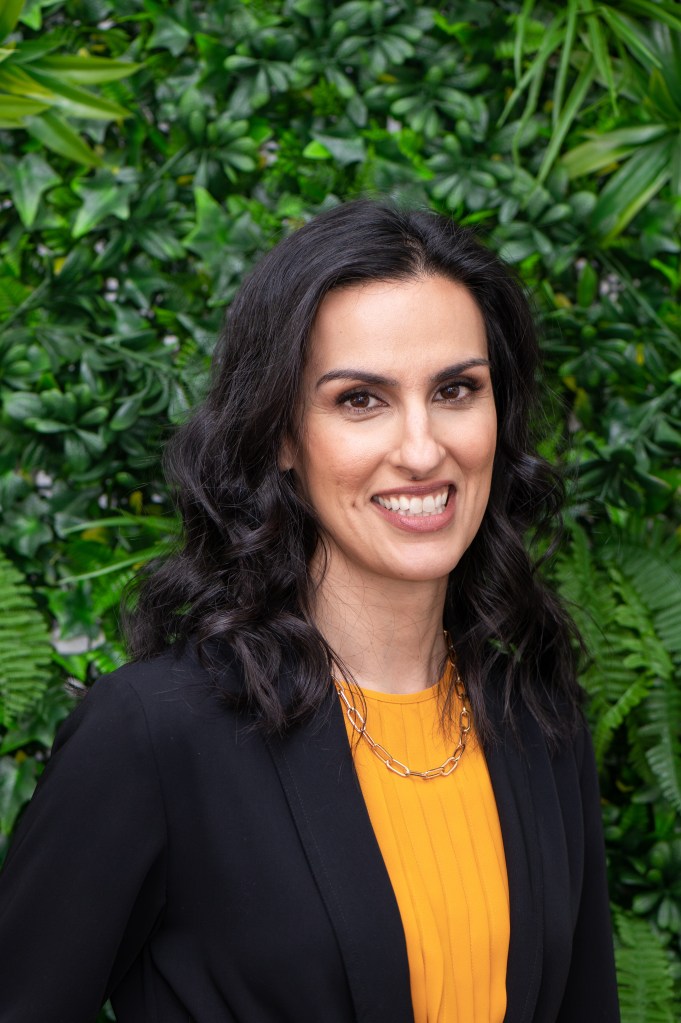
Sameera Qureshi, MS OTR, is a trauma-informed Occupational Therapist and Islamic Psychology Practitioner with 17 years of experience at the intersection of Islam, mental health, and sexual health in Muslim communities across North America. She is the founder of Sexual Health for Muslims, a global platform that supports Muslims with accessing sexual health education and therapy through traditional Islamic frameworks.
Sameera’s work centers Islamic Psychology across therapeutic, educational, and program development frameworks for Muslims and the professionals who serve them. Her approach is deeply rooted in trauma-informed care, Islamic ethics, and spiritual development.
Hi, I’m Heather – an award-winning book editor and content writer specialising in mental and sexual health. If you enjoyed this post, you can support this series by contributing to a coffee, or hiring me for my blog writing or editing services:
 Heather Evans Editorial
Leave a comment