As it’s Pride month, it felt only right to speak to Robert Brooks Cohen for this next post.
If you haven’t come across Rob before, he is the host of the Two Bi Guys podcast, which formed and filled many of the pages of his latest book, Bisexual Married Men: Stories of Relationships, Acceptance, and Authenticity.
Although more and more people are identifying as queer in the US, bisexual individuals continue to feel erased, misunderstood, or negatively stereotyped within and outside the community. Polyamory is also on the rise as the way we approach our relationships in the modern age is changing, and lots of people seem to have questions and concerns about what it all means.
Identifying as both bisexual and polyamorous, Rob explores these topics in our conversation with nuance, compassion, and even excitement. His words are a joy to listen to and read, so we are going to dive straight in.
Why did you write your book, Bisexual Married Men: Stories of Relationships, Acceptance, and Authenticity?
When I started to come out as bisexual about eight years ago, I struggled with how it would impact my dating life and my vision of someday starting a family. I always wanted to find a primary partner and get married, but accepting my bisexuality opened up new possibilities – some exciting, some scary. I started to meet lots of queer people my age, but I didn’t know many bisexual people who were married, especially bi men – I soon learned that this is primarily because close to 90% of married bi men are closeted. Around the same time, I also realized that a huge portion of listeners of my podcast, Two Bi Guys, were bisexual men who are married to women, mostly around my age and older. When I did an episode on this topic, I got more messages from listeners than ever before – many expressed that they thought they were alone in this situation, and they were thankful to learn that there are others like them out there and to hear a bit about their lives.
I knew I didn’t want to just write about these men – I wanted to share their stories directly. So, during the first summer of pandemic lockdowns, I began interviewing some of the listeners who had reached out to me, not knowing what form the final product would take. Over the next three years and thirteen interviews, in partnership with my publisher Routledge (and amazing editor Heather Evans!), I realized that an oral history book was the best format so that readers could hear directly from these men. I also decided to share my own story in the book, since I ended up marrying my wife in 2021, in the middle of the process! In hindsight, I think that marriage had been on my mind, but I didn’t know what Bi+ marriages really looked like, so the research I did was as much for me as it was for others.
The book gives visibility not only to bisexual married men but also their specific paths and relationships, such as ethical non-monogamy. Why was it important for you to share these stories and relationships alongside your own journey of self-discovery?
Something I’ve learned about the Bi+ community is that it’s one of the most diverse groups that exists in the entire world – and for good reason, because bisexuality as an identity is all about fluidity, a rejection of binaries and categories, and openness to new ideas and types of relationships that are often stigmatized. There are as many ways to be bisexual as there are bisexual people. That’s why I wanted to focus on actual stories and why I tried to choose a diverse mix of subjects – not just in terms of race, age, or other identities, but also in terms of where they live, when they came out, if they’re still married or not, how their wives reacted when they came out, their socio-economic and education status, and the extent to which they’ve explored non-monogamy. That last factor, non-monogamy, was particularly important for me to address, because while the vast majority of couples in my book stuck with or landed on monogamy, ALL of them at least discussed opening up their relationship, usually in conjunction with discussing the husband’s bisexuality. Even if it’s based on a misconception that all Bi+ people are non-monogamous, I realized it is something that the Bi+ community needs to learn to navigate, and seeing how others communicate about it can be incredibly helpful.
I also wanted to include my own story, unique in different ways (I am married to a trans woman who came out and transitioned after we met), because it gave me insight into the other subjects’ relationships that I wanted to authentically share. Though each story is different, so many of us went through similar moments, had similar fears or questions, or dealt with similar reactions, stigma, and biphobia. Because not every subject could fully process everything they’ve experienced during a 90-minute oral history interview, I was able to “fill in the blanks” by telling my own story, sharing my own feelings, and giving related context that I hope makes each story even more accessible.
What negative stereotypes or misunderstandings do you think people have about bisexual and/or polyamorous relationships?
The first is that bisexual people are or will always become polyamorous – which just isn’t true. Currently, bisexuality is only slightly more correlated with non-monogamy, with about 20% of Bi+ people exploring consensual open relationships compared to 10% of straight people. (And of course, statistics show that anywhere from 20-60% of all married people cheat on their partner at some point – in other words, they are practicing non-consensual non-monogamy – so you could look at the first statistic as Bi+ people simply being more honest about their desires and actions.)
The other huge stereotype, especially for bisexual men, is that they’re “really gay” or that a Bi+ identity is a stepping stone toward a gay one. (Ironically, for bisexual women, the stereotype is that they’re “really straight”, because under patriarchy, everyone must really be attracted to men, right?) This stereotype is especially harmful for bisexual people and difficult to shake, because it reflects many of the internal doubts and confusion on the way to coming out as Bi+ in the first place. Other stereotypes include that bisexual people are confused, greedy, or obsessed with sex, that they can never settle down, that they’re “faking it” for clout or status (that’s a new one – and pretty rich considering the pervasive biphobia I’ve experienced from society), that they don’t want to get married or have kids, and that all bisexual people are equally attracted to all genders, in the same way. The truth is that bisexuality encompasses a huge spectrum, and no two experiences of it are alike.
The biggest misunderstandings about polyamory, in my opinion, come from a scarcity mindset, especially as it relates to love. For example, there’s a perception that poly people can’t commit, that they don’t really love their partners as much as monogamous people, that they’re selfish, or that they’ll leave a relationship if something better comes along. If you view love as a finite resource, then those opinions would make sense, but lately, I have an abundance mindset, and I view love as a resource that can expand and grow. Most poly people I’ve met have similar feelings. When you experience love this way, non-monogamy just makes sense and feels natural – and you can still absolutely love your partners, commit to them, and be in mutually beneficial and honest relationships with them, even if you are also doing the same thing with multiple people.
Your work has led you to become a relationship and life coach for LGBTQ+ folks. Why was this the next step for you after writing the book?
I didn’t realize I would start coaching when I began my podcast or my book, but looking back, I was already starting to do this work naturally, and now it feels like the perfect fit. Once I understood bisexuality and met others who helped normalize it for me, everything started to click into place, and I wanted to share this with everyone so that they could understand what I did. My podcast and book were attempts to do that – to normalize sexual and gender fluidity by telling stories about real people. In conducting interviews for the book, I tried to ask empowering, open-ended questions that caused each subject to reflect on their lives, confront difficult moments, and process how it felt to move through their Bi+ journey. During my 8-month training to be a certified professional coach, I learned that asking open-ended, empowering questions IS coaching – I was doing it already without realizing it. During the editing phase of the book, many of my subjects reached out to tell me how helpful it was to talk with me, which shocked me. They were helping me with my book, and they were helping readers find connection – how was sharing their story helping them? But now I understand that talking through these struggles and joys creates new awareness, makes your internal thoughts and feelings real, and implicitly opens up new pathways and strategies for the future. Once I learned some additional coaching parameters (such as how to design action plans with clients to achieve practical, real-world results) and business strategies, I’ve found that the work comes extremely naturally.
What advice would you give to those who are curious or questioning their queer identity?
Lean into your curiosity, and try to let go of the fear and anxiety about how your life might change, because if you’re following your authentic thoughts and feelings, you can’t go wrong. Before I started questioning and exploring my identity, I was terrified that I would become a different person and that the trajectory of my life would completely change. After coming out, I’m absolutely the same person, and I’m even more able to be myself and to be comfortable with whatever I’m desiring. And while my life trajectory has changed somewhat, it has overwhelmingly been for the better, and it has opened up new, incredible possibilities that I previously couldn’t imagine.
I can’t say that there won’t be struggles or that certain doors won’t close – for example, some people simply won’t date a queer person, and you can’t change that. But isn’t that a great filter? Do you really want to limit and hide yourself in order to date someone who wouldn’t be into you if they understood all parts of you? Instead, remember that there will be amazing new possibilities on the other side of that exploration, and they will add so many beautiful things to your life, even if other things must end or change. Being true to yourself, rather than hiding, censoring, and repressing, can feel incredibly difficult and scary at first, but once you’re on the other side, I promise, it is so much easier and more comfortable, and it allows you to be more authentic in all areas of life, far beyond sexuality.
If you found the information in this article useful, you can buy his book, Bisexual Married Men, here.
You can listen to Rob talk more about these topics on his podcast, Two Bi Guys, which you listen to here and follow on Instagram.
For Rob’s coaching and new stand-up comedy (which I recommend!) you can find information on his website and personal Instagram.
About Robert
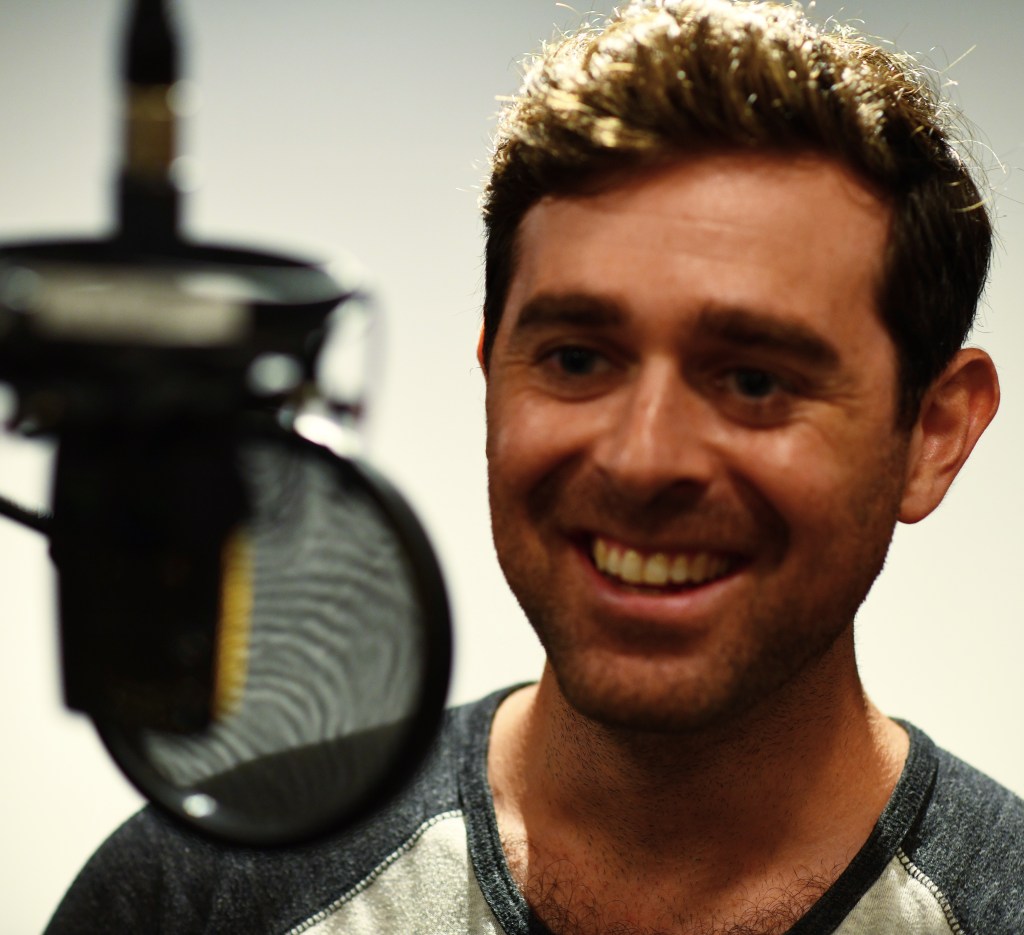
Robert Brooks Cohen is a writer, creator, and life coach living in Los Angeles. He spent seven seasons writing and producing for Law & Order: SVU, among other shows. In 2019, he created Two Bi Guys, a podcast about sexual fluidity, masculinity, and the gender spectrum, which he continues to host and which has over 350,000 downloads across 70+ episodes. His first book, Bisexual Married Men: Stories of Relationships, Acceptance, and Authenticity, an oral history/memoir, was published by Routledge in 2023. Robert is a Certified Professional Life Coach and member of the International Coaching Federation, specializing in helping LGBT+, queer, questioning, and non-monogamous people navigate challenges surrounding identity and relationships – visit www.RobertBrooksCohen.com to learn more.
If you enjoyed this post, you can support me and future conversations by clicking the following button!
 Heather Evans Editorial
Leave a comment