
March is Endometriosis Awareness Month and, statistically, you know someone with the condition. You, or themselves, might just not be aware.
According to Endometriosis UK, 1 in every 10 people assigned female at birth struggle with endometriosis. Over 190 million people globally suffer with this complex hormonal and life-altering condition, causing intense chronic pain, fatigue, painful sexual intercourse, nausea, and sometimes infertility. Despite these statistics, 54% of people in the UK have never heard of it.
Why is this? Female reproductive health conditions, especially relating to their sexual wellbeing, have been largely under-researched due to a host of societal, historical, and patriarchal reasons. However, if you would like to support someone in your life with endometriosis, this post will help you to contribute to a movement that recognises their pain as real and worthy of real action.
What is endometriosis?
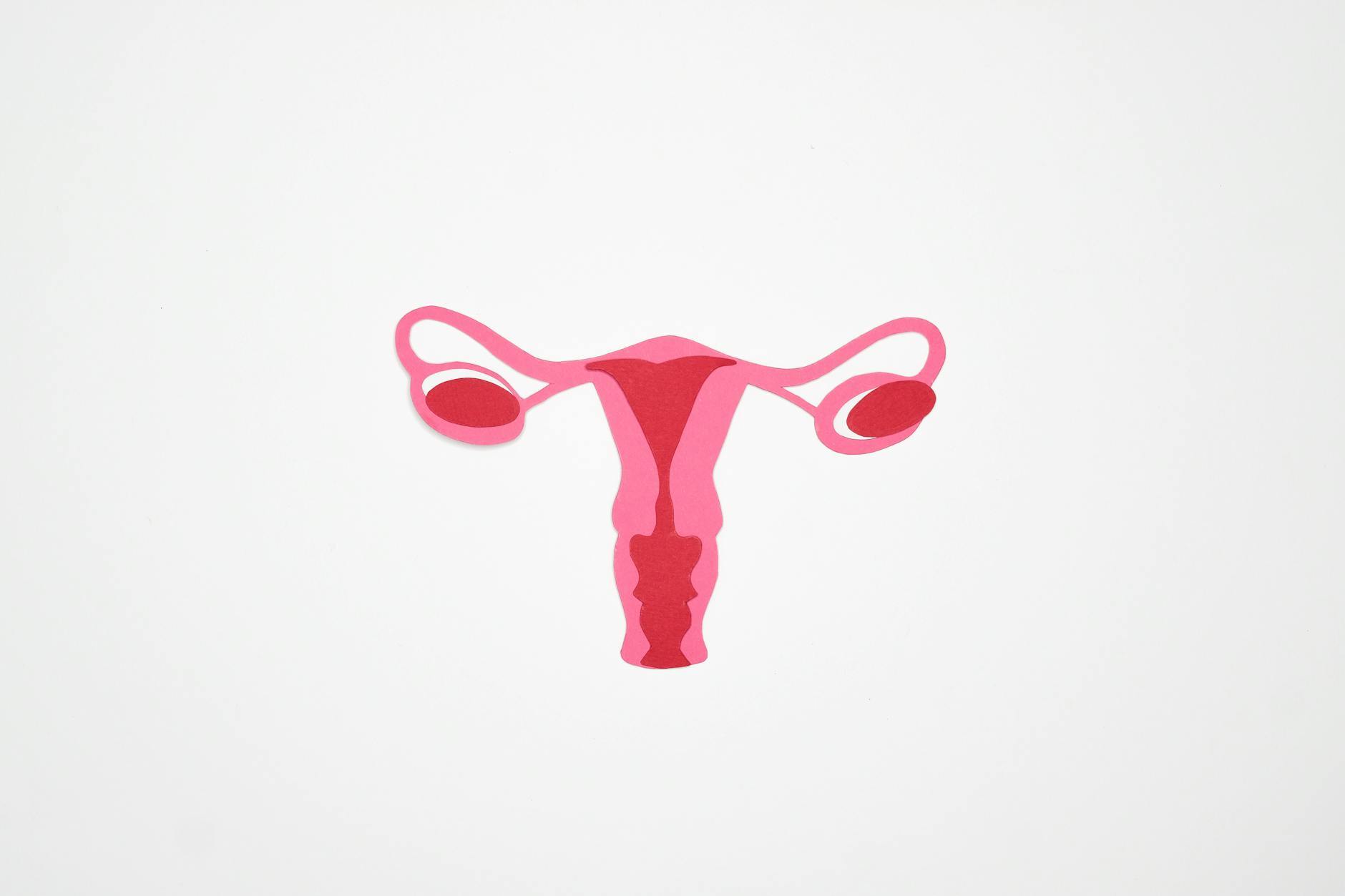
Endometriosis is where tissue similar to the lining of the uterus grows outside the uterus. These cells act in the same way as those in the womb during the menstrual cycle, i.e. they break down and bleed. However, the blood has no way of exiting the body, which causes inflammation, the formation of scar tissue, and incredible pain.
This can negatively impact every corner of the person’s life. From their sexual relationships to the relationship they have with their own body, it can cause infertility, depression and isolation, problems fulfilling work and social commitments, poor grades at school, and struggles in family relationships.
What are the symptoms?
- Painful periods – it is not normal to have intensely painful periods.
- Heavy bleeding
- Pain during and after sexual intercourse
- Painful urination/bowel movements during periods
- Chronic abdominal and pelvic pain
- Fatigue
- Infertility
- Gastrointestinal issues such as diarrhoea, constipation, nausea
These symptoms can start from someone’s first period until menopause and can ease during pregnancy. It is worth noting these symptoms as on average it takes around 8 years to get a diagnosis.
How is endometriosis caused?
You can read more about potential causes here, but at the moment these are only theories. Donations to causes, such as the Endometriosis Association, can support further research.
This is so important as it has been shown that those diagnosed with endometriosis are at a higher risk of other health issues, such as IBS and infertility.
Can endometriosis be treated, prevented, or even cured?

Unfortunately, there is no current cure to endometriosis and research is still looking into prevention. However, there are treatments that can help manage the pain felt by those with the condition. If you or a loved one has endometriosis, you should consult your doctor about which method may be best to take.
Treatments can fall into a few categories:
- Surgery: This is the most invasive method. Conservative surgery aims to remove the deposits of endometriosis via a laparoscopy. Complex surgery tends to involve different organs in the body, such as the bowel or bladder. Radical surgery refers to a hysterectomy (removal of the womb) or a oophorectomy (removal of the ovaries) as should only be considered if the individual is not looking to start a family and is not responding to other treatment.
- Hormonal: Endometriosis grows when exposed to oestrogen, so hormone treatments look to reduce oestrogen levels. This can look like using the contraceptive pill, inserting the Mirena coil, or taking Danazol. Some treatments can cause a medical menopause which is reversible once the individual stops taking the hormones. However, if you already have adhesions then this treatment doesn’t fix them, and it is not shown to help infertility.
- Pain Management: Similar to soothing period cramps, heat and comfort as well as painkillers can help the pain. Physiotherapy can help people learn relaxation techniques to help strengthen the pelvic floor. Pain modifiers can also help as well as TENS machines. It has been said that nutrition can also help manage symptoms.
Okay, but how can I support someone with endometriosis?

Be a Learner
You’ve already made the first step by educating yourself on the condition, ensuring that you’re not part of the 54%.
By being knowledgeable of the symptoms and treatments, you can recognise if yourself or someone you know may be silently struggling with endometriosis. You can be empathetic to those in your circles that may be in pain, especially in the workplace and among your close relationships. You can continue this work by looking at free online resources from the Endometriosis Association, Endometriosis UK, and the World Health Organisation.
There is even a free online exhibition about endometriosis at the Vagina Museum, London, which you can see here until March 31st, as well as a free webinar from the European Pain Federation on ‘Pain and Endometriosis’ on March 15th.
Be an Advocate
Advocate for awareness and change in the spaces you occupy. One simple way you can do this is to request for your workplace to become an Endometriosis Friendly Employer through Endometriosis UK. Your workplace will then receive specialist training to reduce stigma around the condition as well as helping employers understand how to best support employees, improving productivity and wellbeing at work. If you have children or are a student, bring up initiatives to support students in school environments.
Be a Myth-Buster
If you hear someone spreading misinformation, loudly stamp it out. Endometriosis doesn’t discriminate against age, race, socioeconomic background, or religion; pregnancy doesn’t cure it; and periods shouldn’t be debilitatingly painful. You can see more myths here.
Be a Believer
It is no secret that there is a gender bias in healthcare, and those assigned female at birth are often not taken seriously when it comes to the pain they feel. If you or someone in you life is experiencing these symptoms, believe them. Support them as they seek diagnosis and, if possible, go to the doctor with them.
Be a Contributor
Support causes and research into endometriosis so that we can continue learning more about the condition. This can be by donating to the Endometriosis Association or Endometriosis UK, or by supporting initiatives closer to home. Endometriosis sufferers want to see active support, and showing you support in this way hopefully paths a way to development and progress.
I hope you now understand endometriosis a bit more and have some tools to support those in your life that are affected.
I am a freelance sexual health content writer. If you would like to discuss any projects we could work together on, please do not hesitate in getting in touch:
 Heather Evans Editorial
Leave a comment